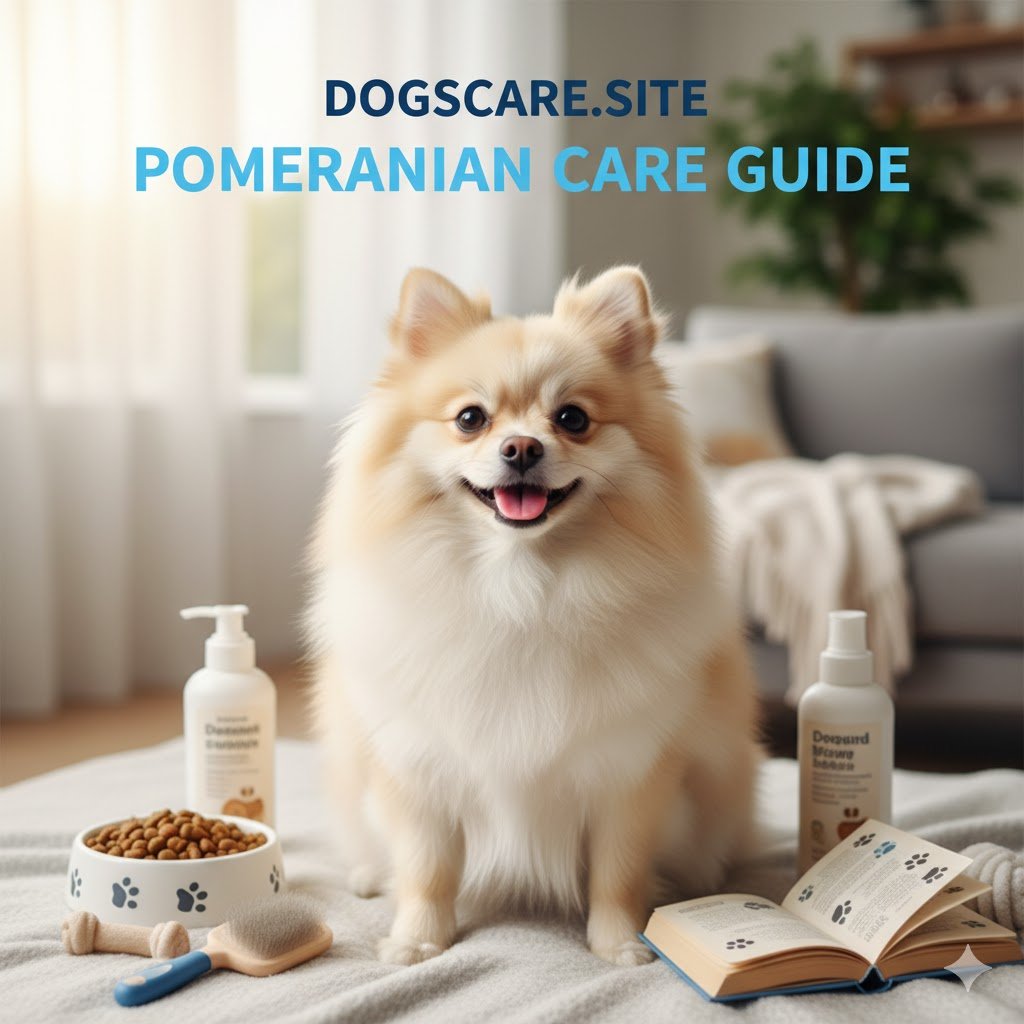
🐶 Pomeranian Care Guide 2025 – Grooming, Feeding & Training
Introduction 🌟
Tiny, fluffy, and filled with vitality — that’s the lovely Pomeranian! Known for their fox-like faces, cheerful persona, and majestic coats, Pomeranians are some of the loved toy breeds in the world. However behind all that cuteness lies a breed that requires constant grooming, balanced diet, and optimistic coaching.
Whether or not you’re a first-time Pom guardian or an skilled canine lover, this Pomeranian Care Guide 2025 will stroll you thru every thing you want to know to lift a contented, wholesome, and well-behaved Pomeranian in immediately’s trendy pet world.
Let’s dive into the essentials of grooming, feeding, and training your fluffy companion! 🐾
🧼 1. Grooming Your Pomeranian: The Fluff Maintenance Routine
Pomeranians are famous for their stunning double coats — a dense undercoat and a longer, fluffy outer coat. However with nice fluff comes nice duty! Common grooming not only keeps your Pom looking cute but additionally ensures wholesome pores and skin and prevents painful matting.
🪮 Brushing Routine
-
Frequency: Brush your Pom at least 3–4 times per week.
-
Tools You’ll Need:
-
Slicker brush (for detangling)
-
Steel comb (for finishing touches)
-
Pin brush (for volume and shine)
-
Brushing removes dirt, loose fur, and tangles. Always be gentle — their skin is delicate. Common brushing also reduces shedding around your home.
✂️ Bathing and Trimming
-
Bathing: Every 3–4 weeks using a gentle dog shampoo. Avoid over-bathing, as it can dry out their coat and skin.
-
Drying: Always towel-dry first, then use a low-heat hair dryer while brushing to keep the coat fluffy.
-
Trimming:
-
Trim around the paws and sanitary areas.
-
Keep away from shaving a Pom completely — their double coat protects them from heat and cold.
-
🦷 Dental & Ear Care
-
Clean your dog’s teeth 2 to 3 times a week using toothpaste that is safe for dogs.
-
Clean ears weekly using a vet-approved ear cleaner to prevent infections.
👀 Eye Care
Their tear ducts can get watery. Wipe gently with a soft, damp cloth to keep the fur around the eyes clean and bright.
Tip: Regular grooming not only enhances look but additionally strengthens the bond between you and your pet. 💕
🥩 2. Feeding Your Pomeranian: Nutrition for Tiny Tummies
Nutrition plays a significant position in protecting your Pomeranian lively and lively. Since they’re small dogs with quick metabolisms, their meals must be nutrient-dense but portion-controlled.
🍽️ Feeding Schedule
-
Puppies (2–6 months): 3–4 small meals per day
-
Adults (6+ months): 2 meals per day
-
Seniors (7+ years): 2 small, soft meals per day (easy to digest)
🐾 Best Food Choices for Pomeranians
-
High-quality dry kibble designed for toy breeds
-
Wet food for additional taste and hydration
-
Do-it-yourself meals (consult your vet before switching)
Ideal Ingredients to Look For:
✅ Lean proteins (hen, fish, turkey)
✅ Omega-3 & Omega-6 fatty acids (for coat well being)
✅ Complex carbs (sweet potatoes, brown rice)
✅ Vitamins & minerals (for immunity and bone strength)
🚫 Foods to Avoid
-
Chocolate, caffeine, onions, garlic
-
Grapes and raisins
-
Sugary snacks and bones
-
Excessive human food (can cause obesity)
💧 Hydration
Ensure your Pom always has fresh, clear water accessible — dehydration can quickly affect such small dogs.
Pro Tip: Maintain a feeding schedule and avoid overfeeding — Pomeranians gain weight simply, which may result in joint and heart issues.
🐕 3. Coaching Your Pomeranian: Big Attitude in a Small Package
Despite their small size, Pomeranians are intelligent, alert, and sometimes a bit bossy! 😄 With the right approach, they can become wonderfully obedient companions.
🎓 Basic Training Tips
-
Begin Early: Start socialization and basic commands as early as 8–10 weeks old.
-
Use Optimistic Reinforcement: Reward with treats, reward, or playtime.
-
Keep Sessions Short: Poms have short attention spans. Keep training sessions under 15 minutes.
-
Be Patient & Consistent: They reply greatest to mild correction, not punishment.
🏡 Home Training
Pomeranians can be cussed throughout potty training.
Try these:
-
Use puppy pads indoors.
-
Take them outside after meals or naps.
-
Reward immediately when they potty in the right place.
🗣️ Socialization
Expose your Pom to new sounds, sights, and people early. It reduces anxiety and prevents excessive barking.
🧠 Mental Stimulation
Keep their minds active:
-
Puzzle toys
-
Obedience games
-
Conceal-and-seek or fetch
Remember: A bored Pomeranian might develop into vocal or destructive. Keeping them mentally engaged ensures a calm, happy dog. 🧩
💖 4. Health Care & Vet Visits
A key a part of this Pomeranian Care Guide is preventive health care. Regular checkups and vaccinations hold your Pom healthy throughout their life.
🩺 Common Health Concerns
-
Dental disease: Frequent in small breeds; maintain good oral hygiene.
-
Luxating patella: A knee joint problem — forestall by protecting your Pom match.
-
Tracheal collapse: Use a harness instead of a collar to guard their throat.
-
Hypoglycemia (low blood sugar): Especially in puppies; feed them small, frequent meals.
💉 Vaccination Schedule
Follow your vet’s advice, however common vaccines include:
-
Rabies
-
Distemper
-
Parvovirus
-
Bordetella
🧬 Regular Checkups
-
Annual wellness exam
-
Dental cleaning once a year
-
Weight check to prevent obesity
Tip: Always hold a record of vaccinations and medical visits for easy tracking.
🏠 5. Creating a Safe Home Environment
Your Pom may be tiny, but they’re brave and adventurous! 🏡 To ensure their security:
✅ Pom-Proofing Your Home
-
Keep wires and small objects out of reach.
-
Use baby gates to block dangerous areas.
-
Ensure balconies and windows are safe.
🧸 Comfort Essentials
-
Soft, warm bed
-
Toys for chewing and comfort
-
Food and water bowls at ground level
-
Harness and leash for walks
🌤️ Weather Care
Pomeranians are sensitive to extreme temperatures:
-
In summer: Keep indoors, avoid overheating.
-
In winter: Costume them in gentle sweaters or coats.
Your home should be a cozy, protected zone where your Pom feels loved and protected. ❤️
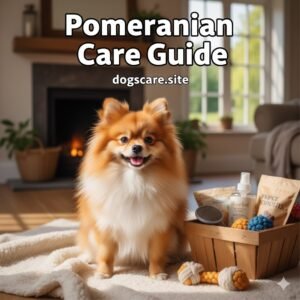
🎯 6. Exercise & Playtime: Keeping the Pom Energy Balanced
Don’t let their size idiot you — Pomeranians are energetic! Regular exercise keeps them wholesome and prevents boredom.
🐾 Daily Exercise Needs
-
15–30 minutes of light exercise daily
-
Short walks, indoor play, or chase-the-ball sessions
🎾 Best Games for Poms
-
Fetch with mini balls
-
Hide and seek
-
Tug-of-war (gentle version)
-
Agility training for fun and fitness
Note: Avoid jumping from high surfaces — their tiny legs can get injured easily.
Exercise not only improves physical health but also helps manage behavior by releasing pent-up vitality.
🧍♀️ 7. Understanding Your Pomeranian’s Personality
Pomeranians are lively — daring, clever, and affectionate. They love attention and often see themselves as “little lions.” 🦁
💬 Traits You’ll Notice
-
Curious and alert
-
Loyal to their house owners
-
Assured round larger canine (sometimes too confident!)
-
Can be vocal when bored or excited
They make glorious companions for households, singles, and even seniors — so long as they get sufficient love and a spotlight.
🧸 Training for Barking
Poms tend to bark to alert or express excitement. Practice them early to understand commands like “Quiet” using optimistic strategies.
🍼 8. Caring for Pomeranian Puppies
In case you’re bringing house a Pom puppy, congratulations! 🍼 Here’s what to expect:
🏡 First Few Weeks
-
Puppy-proof your home
-
Schedule a vet visit
-
Begin socialization slowly
🍗 Feeding
Small, frequent meals to forestall low blood sugar. Use puppy-formulated food.
💤 Sleep & Comfort
Puppies want 16–18 hours of sleep per day. Provide a warm, soft bed and avoid disturbing them while resting.
🧠 Training Basics
-
Begin with identify recognition
-
Gradually train commands like “Sit,” “Come,” and “Keep”
-
Reward calm habits
Elevating a Pom pet is joyful however requires persistence — the early funding pays off with a well-behaved grownup canine.
🌿 9. Senior Pomeranian Care: Aging Gracefully
As your Pom grows older, their care routine changes slightly. 🐾
🧓 Common Senior Needs
-
Softer meals for simple digestion
-
Common vet checkups each 6 months
-
Comfortable, orthopedic bedding
-
Gentle exercise to maintain mobility
Maintain an eye fixed out for:
-
Joint stiffness
-
Dental issues
-
Hearing or vision decline
Show extra love and patience — your senior Pom will appreciate every moment with you. 💗
🏆 10. Building a Lifelong Bond
Caring for a Pomeranian isn’t just about feeding or grooming — it’s about understanding their emotions, needs, and quirks. Spend quality time, talk to them, and make them feel a part of your family.
These little canine thrive on love and a spotlight. A well-cared-for Pom offers again tenfold in affection and pleasure. 🥰
❤️ Conclusion: The Perfect Pom Life
In 2025, caring for a Pomeranian has become easier with modern tools, online vet consultations, and high-quality pet merchandise. But, the essence stays the identical — love, persistence, and day by day care.
This Pomeranian Care Guide reminds us that each brush stroke, each meal, and every training session builds trust and happiness between you and your pet.
Whether it’s their playful bark, tiny paws, or endless cuddles — your Pomeranian deserves the very best version of you. 💕
❓ FAQs: Pomeranian Care Guide 2025
1. How often should I groom my Pomeranian?
Brush your Pom at least 3–4 times weekly and bathe every 3–4 weeks to maintain coat health and shine.
2. What’s the best food for Pomeranians?
Select high-quality toy breed dog food rich in protein, omega fats, and vitamins. Avoid human meals like chocolate or grapes.
3. Are Pomeranians easy to train?
Sure! They’re intelligent but will be stubborn. Use positive reinforcement and hold training sessions quick and consistent.
4. How long do Pomeranians live?
With proper care, Pomeranians typically stay 12–16 years, generally even longer with good diet and regular vet care. 🐾
👩⚕️ Author Bio: Dr. Zoey Hamilton, DVM
Dr. Zoey Hamilton is a licensed veterinarian with over 12 years of experience in small animal care and canine behavior. She specializes in toy breeds and pet wellness education. Her mission is to assist dog owners build lasting, wholesome relationships with their pets by compassion, awareness, and sensible guidance. 🐶💙